I currently work on LLM agents and the systems that run them. Before my PhD, I built tools to measure and understand cloud systems, and before that I worked on applied security.
Context compression in LLM agents
What does compressing an agent's context cost beyond tokens?
UT Austin — with Prasoon Sinha, Akiho Kawada and Neeraja J. Yadwadkar
Long-horizon agents accumulate context quickly, and compression is the usual fix. This project is a systematic study of context compression techniques for LLM agents, looking past token savings to how compression affects the agent itself.
INESC-ID Lisbon & Vrije Universiteit Amsterdam — with Rodrigo Rodrigues and Alexandru Iosup
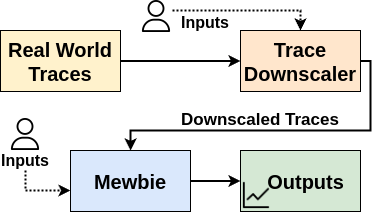
Existing microservice benchmarks are orders of magnitude smaller than real deployments. Mewbie builds workloads from production traces enriched with object identifiers and read/write ratios, and uses a topology-preserving downscaling technique so the benchmark runs at any deployment size. We use it to study how datastore mixes (Redis, MongoDB, MySQL) and consistency semantics shape end-to-end latency on an Alibaba-derived deployment.
Vrije Universiteit Amsterdam — with Alexandru Iosup
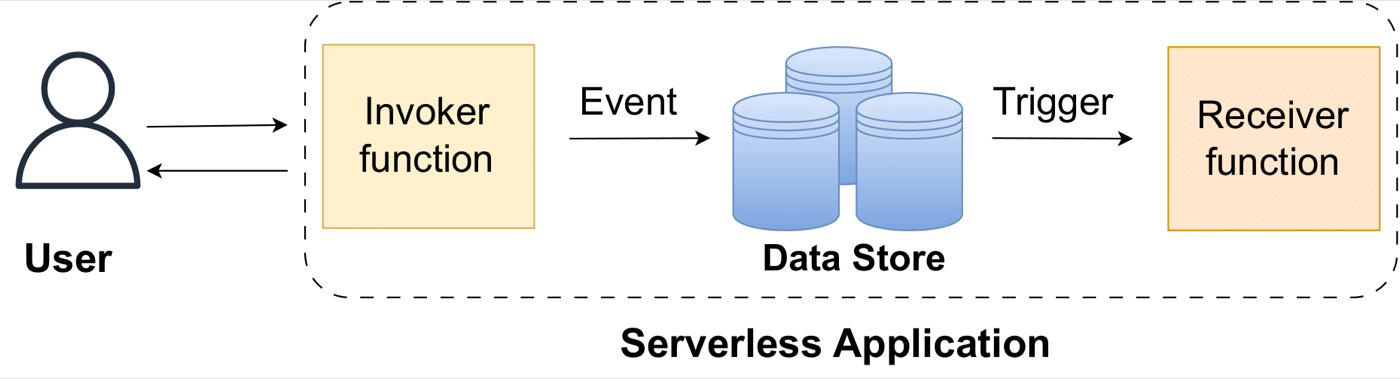
Trigger latency — the time from a data store event to function invocation — takes up to 62% of execution time in common serverless applications. TriggerPerf characterizes the trigger mechanisms of S3, DynamoDB and Aurora, finding latency up to 100× higher than an etcd baseline and 10× higher tail latency under load for S3 and Aurora.
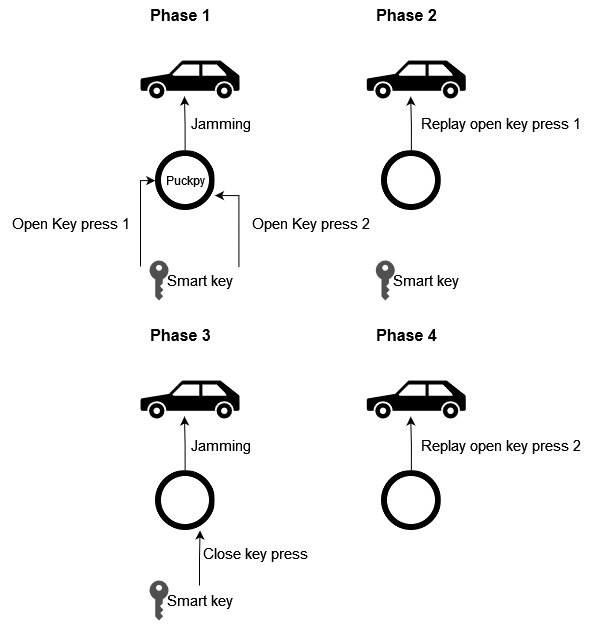
A study of the remote keyless entry systems of seven cars from Honda, Maruti-Suzuki, Toyota and Mahindra, including their susceptibility to RollJam and rollback attacks. Along the way we built Puck-py, an open-source tool that automates much of RKE protocol analysis.
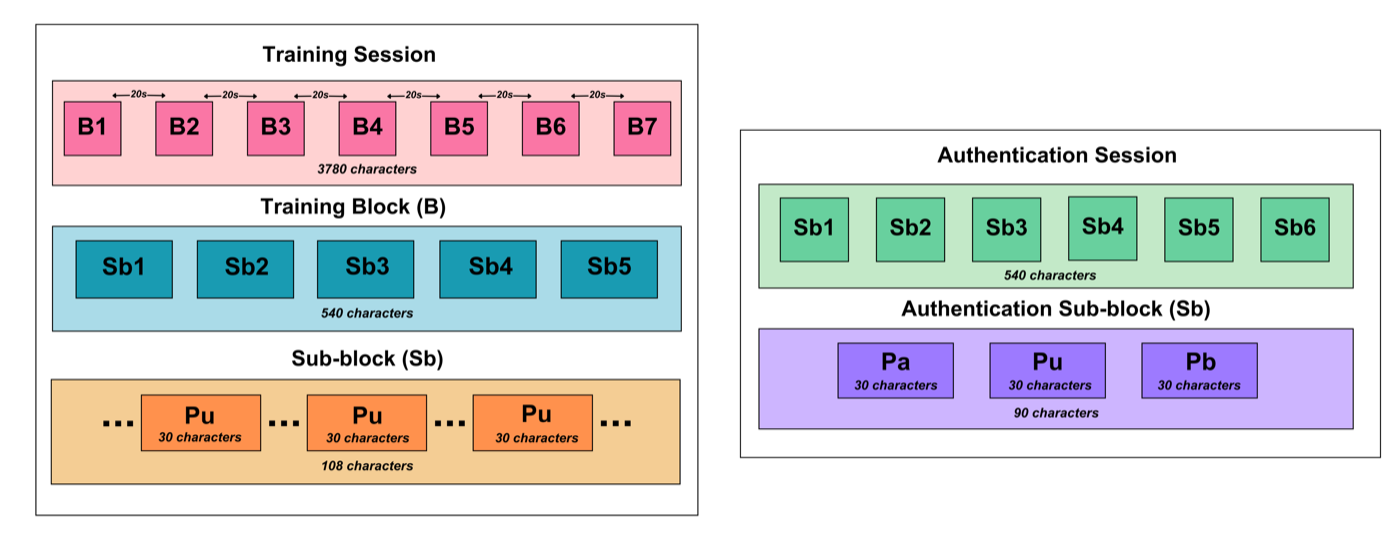
A fallback authentication system at the intersection of security, HCI and cognitive science. Users learn a secret through Serial Interception Sequence Learning, extended with auditory and haptic cues, and we evaluate the approach with a user study.